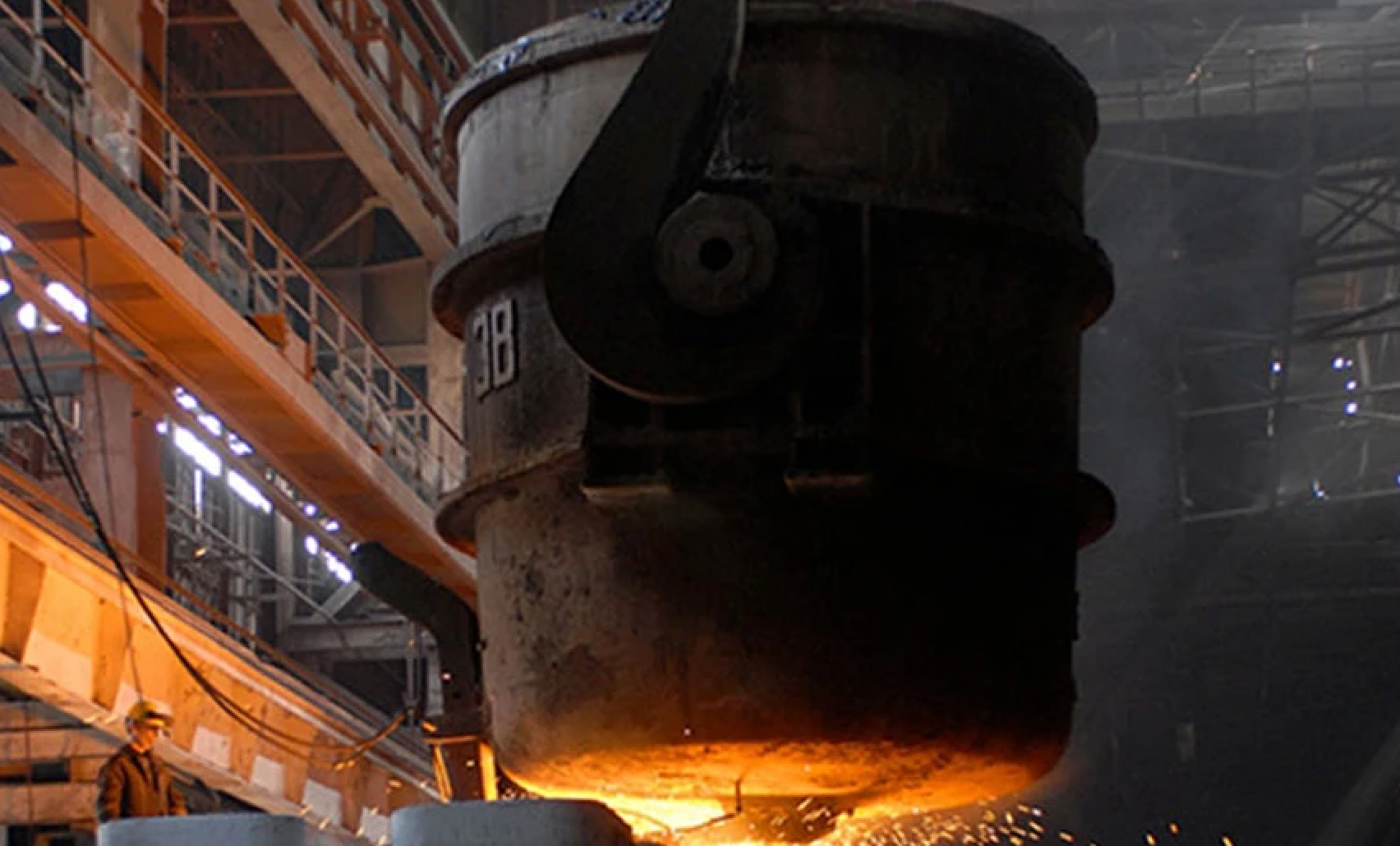

Eurofer predicts EU steelmaking boost
The trade group says the European Union’s reinforced tariff-rate quota (TRQ) system will “safeguard Europe's steelmaking capacity.”
The Brussels-based European Steel Association (Eurofer) says it welcomes the July 1, 2026, entry into force of the European Union’s new steel trade measure, calling it a historic shift in European industrial and trade policy and a decisive response to the destructive impact of global steel overcapacity on Europe's industry.
The new measure replaces a previous safeguard regime with a reinforced tariff-rate quota (TRQ) system with lower tariff-free quotas, a higher tariff on imports above quota levels, enhanced monitoring and stronger anti-circumvention tools, according to Eurofer.
“Unlike previous trade defense measures, it is designed not only to curb import surges but also to safeguard Europe’s steelmaking capacity and support decarbonization,” states the organization, which describes itself as representing the entirety of steel production in the EU.
“This is a game changer for Europe’s steel industry,” says Axel Eggert, director general of Eurofer. “It paves the way for restoring up to 15 million metric tons of lost European steel production. After years of mounting pressure, the EU has recognized that maintaining steel production is fundamental to Europe’s competitiveness, security and decarbonization.”
Adds Eggert, “The industry was facing the abyss. Today’s measure gives us the breathing space to rebuild but it is only the beginning.”
Eurofer calls protecting steel production a first step toward “securing Europe’s wider manufacturing value chain.”
Additionally, industry sectors that use steel “are increasingly exposed to import surges of steel-containing products, making it essential that the new measure is extended downstream,” says the group, adding, “Eurofer stands ready to support the downstream sectors concerned.”
Eurofer says there remains a need for coordinated international action among like-minded steel-producing economies to address global overcapacity.
In Europe, despite the new measure, 18.3 million metric tons of steel imports can enter the EU tariff-free each year. Eurofer says the TRQ allocations should be “fair, balanced and reflect established trade flows and highly integrated supply chains.”
“This is not about pulling up the drawbridge on steel trade,” says Eggert. “Europe will remain one of the world’s most open steel markets. TRQ allocations must be fair and balanced, reflecting long-standing trading relationships and integrated supply chains. That will allow trusted partners to continue supplying the European market while enabling Europe’s steel industry to recover and compete.”
On the policy front, Eurofer lists as next priorities lowering industrial energy costs, accelerating investments in low-carbon steel, and extending trade protection to downstream steel-containing products.
Also on the horizon may be Mill Test Certificates (MTCs). If adopted, steelmakers exporting steel to the EU will be required to provide “melted and poured” information, in a procedure designed to strengthen traceability by placing responsibility for demonstrating origin with the producer rather than the importer.
“Knowing where steel is melted and poured is fundamental to making this measure work,” says Eggert. “Better traceability will strengthen enforcement, improve transparency and reinforce the integrity of Europe’s new trade framework. The responsibility for issuing the certificate should rest with the producer, not the importer.”
Copy from Recycling today!